
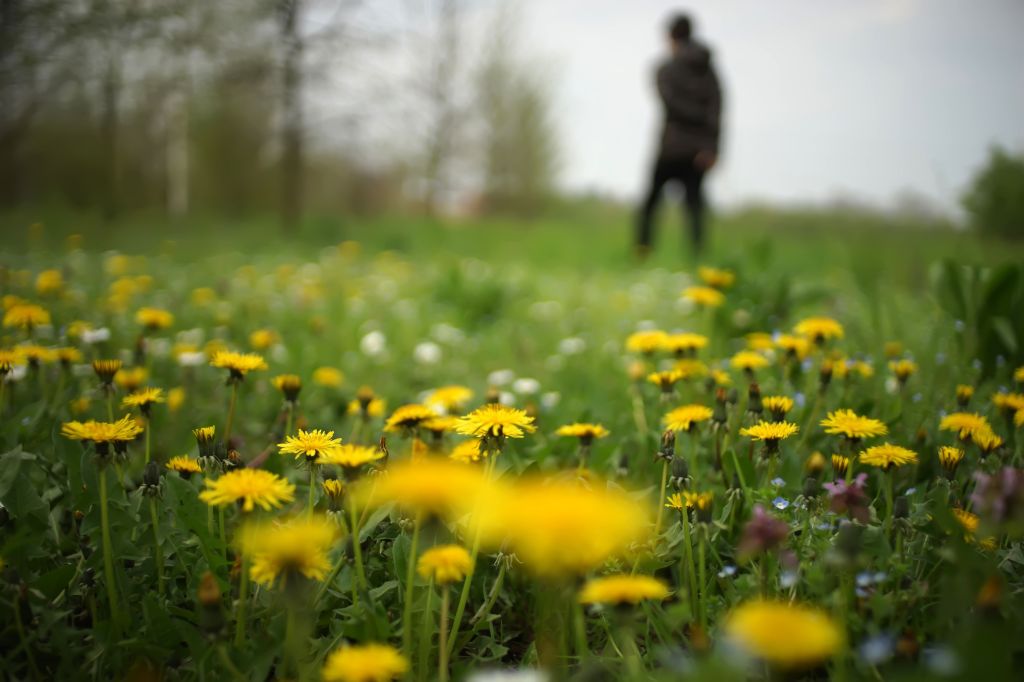
Photo by photokip.com on Pexels
When I was in high school, I read Dandelion Wine by Ray Bradbury. I had never heard of dandelion wine and assumed is was as fictional as the rest of the story. The book left an impression of a hazy summer season which I can best describe as being transported to an old, yellowed photograph to live in the faded world of yesteryear.
Years later, I was inspired by an abundant crop of dandelions growing in a local park to see how I could use the free bounty and found an obscure recipe for dandelion wine. The wine was real after all. I thought I could recapture the long-ago summer feeling of Bradbury’s book by brewing my own batch of dandelion wine.
With my children by my side, we set off to the park and spent hours harvesting dandelions. I carefully followed the recipe and set my vessel of dandelions out on the back porch to ferment. After a few days I had a fermented stinky mess that didn’t smell or look safe enough for consumption and it became a top dressing for my compost pile instead of the mythical wine I had hoped for.
I offer my experience as a cautionary tale to research, learn from someone else’s experience, use the right supplies, make a plan, and know when to stop your project. Here is the process I use now before I jump into a new project.
1. Research and verify the instruction
Twenty years ago, I relied on an obscure recipe I found online. I didn’t have photos or a video to understand how a successful fermentation process looked. Today, I would look for more than one source, read accounts of others who had successfully made dandelion wine, and look for a dandelion wine recipe with good reviews.
2. Learn from someone with experience
I would look for guidance from someone who has actually made dandelion wine before starting this project. Ideally, I would find someone locally or online who has experience with making fermented beverages and seek their guidance whether in person or by watching their video guidance.
3. Gather the right supplies
When I attempted my dandelion wine experiment, I used a large jar I found in my cupboard for my fermentation vessel instead of investing in proper supplies. It’s important to make a supply list before beginning a project and to use proper equipment. Do not substitute random things you have on hand if the instructions require specific items.
4. Plan the workspace and conditions
Think through where you need to store your project while it’s in process. Don’t be like me and plunk a jar of fermenting dandelions on the back porch during a New Mexico summer and expect good results. Rain got in, fluid evaporated, and insects tried to drink up the sugary mix. Find out what conditions you need to successfully complete your project and then wait until the conditions are right or can be controlled before you begin.
5. Know when to stop
My dandelion wine was a failure, but I did not learn my lesson until years later when I tried to make wine out of grape juice. I used the wrong bottles and a cork shot out of a bottle and splattered purple juice all over my freshly painted laundry and dining rooms. That was the end of my winemaking career.
My advice? Stay curious, research carefully, verify your sources, and plan before you begin. After failing at every wine making experiment I ever tried, I retired from the project but writing this has made me wonder whether I should take one more try at making dandelion wine.
No, absolutely not! It can remain a hazy mythical drink from my past. Also, I don’t even drink wine.


